

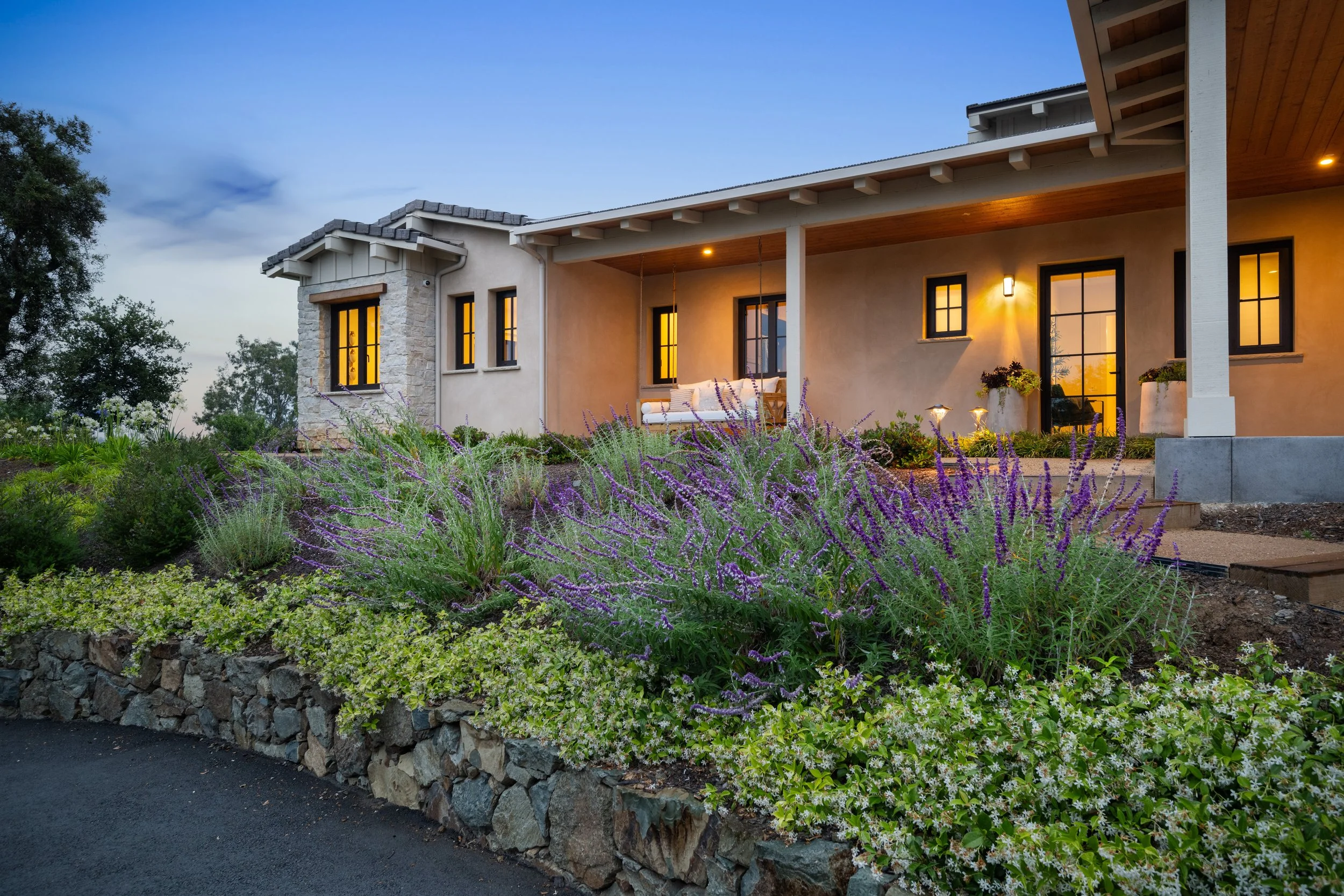
Intentional architecture begins with listening.
Intentional architecture is found before it is designed. TRE approaches each project by first understanding the site, how light moves through it, and how it will be inhabited.
Southern California's light, climate, and landscape shape every decision from the first line drawn, guiding orientation and spatial flow, and how buildings endure over time. The result is architecture that feels grounded, enduring, and quietly personal.
Conversation to Reality
01 Discover
Listening first. We begin by understanding how you live, what you value, and what the site demands, before a single line is drawn.
02 Design
We translate what is discovered into spatial intent, shaping form through place, proportion, and the movement of light.
03 Detail
We refine design intent into buildable detail, aligning materials and assemblies through close coordination with consultants and builders.
04 Realize
We remain engaged through construction, ensuring the work is faithfully built and brought to its final condition within governing constraints.
Sketch · Model · Drawing · Built
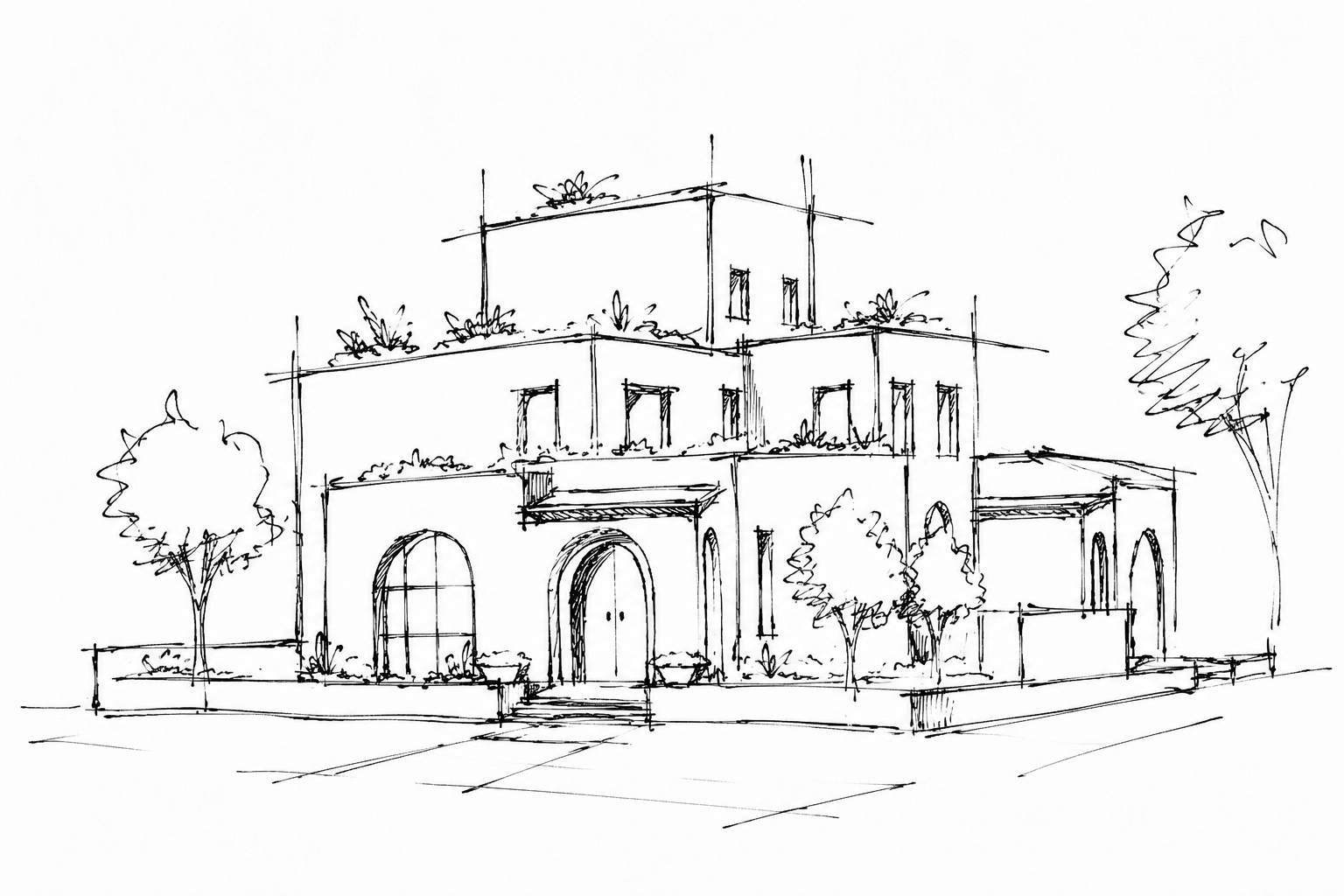
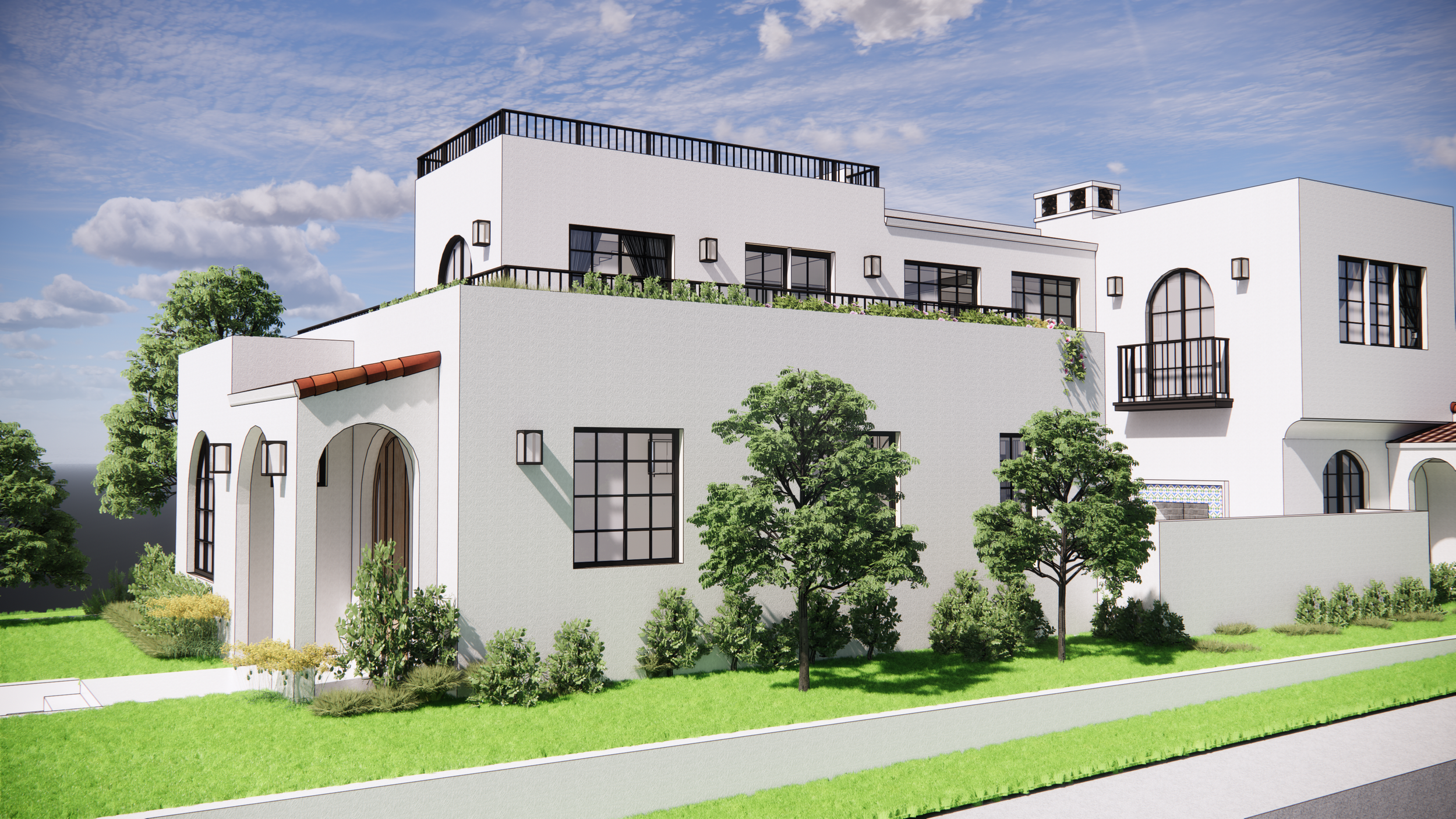
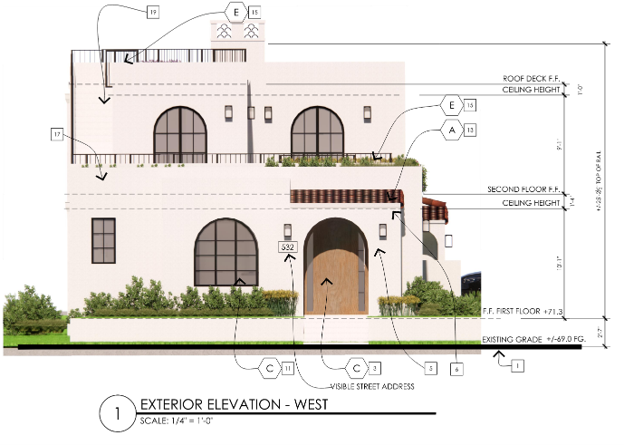
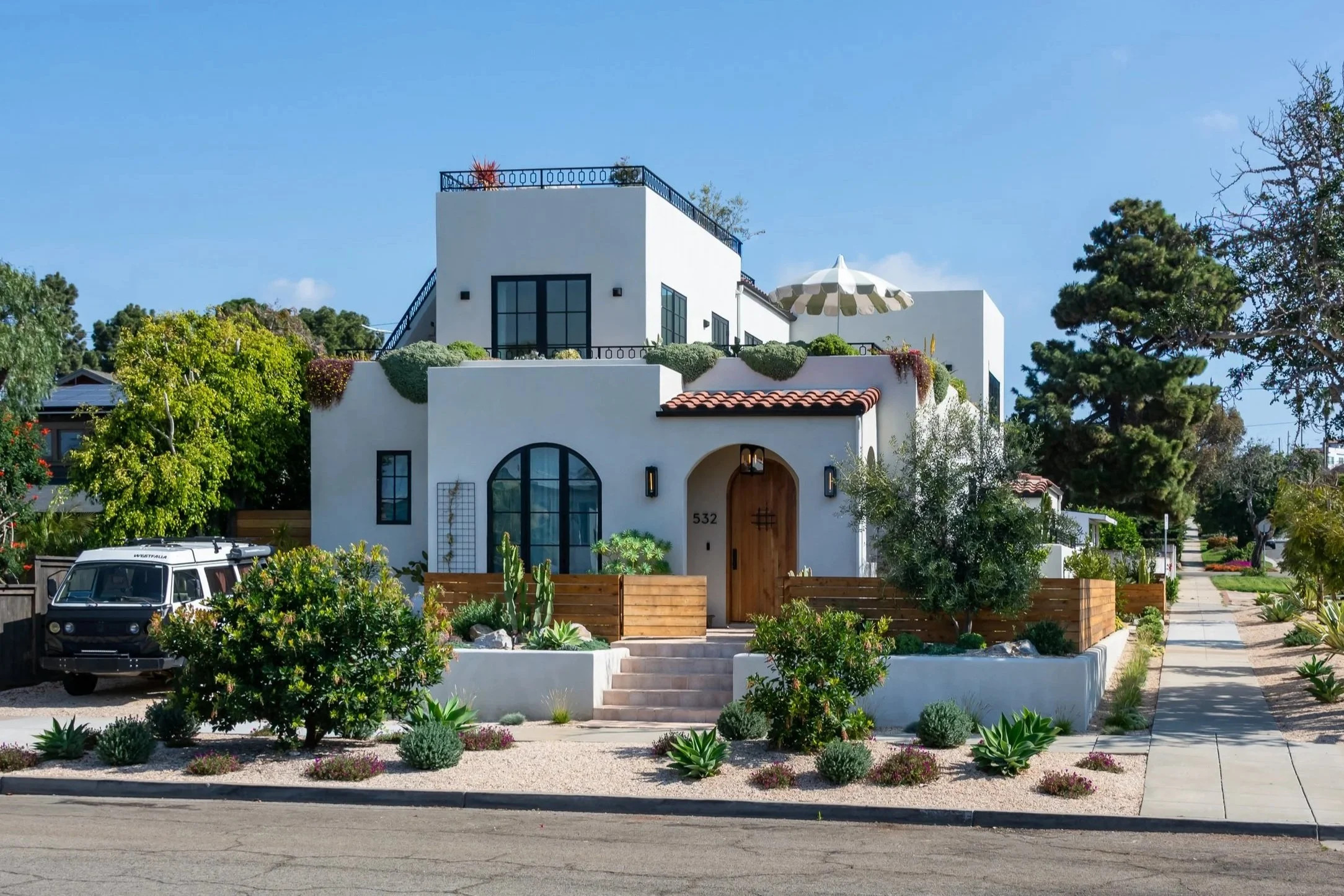
The strongest measure of our work is the relationships it builds. Clients who return for a second home, who introduce us to their children, who remain part of the TRE community long after construction is complete. From the first conversation we listen, to how a family lives, how light matters to them, how they want to feel when they come home.
Every site has a story before we arrive. Its orientation, its relationship to the landscape, the way marine air moves through a coastal canyon differently than inland valley heat. Our homes across San Diego, Rancho Santa Fe, and South Orange County are shaped by these conditions, grounded in Southern California without defaulting to its clichés. The result is architecture that feels inevitable, as though it could only exist exactly where it stands.
Shaped by Place. Built for People.

A home built to last, designed for its climate, oriented to its site, and detailed with quality materials consumes fewer resources over its lifetime than one that needs to be replaced or corrected. For TRE, sustainability is not a checklist. It is the natural result of designing thoughtfully, considering how Southern California's light, heat, and marine conditions move through a building, how overhangs respond to seasonal sun angles, and how materials age gracefully in coastal or inland conditions rather than fighting them.
We think about the boundary between inside and outside as something to be dissolved rather than defined. Southern California's climate invites this, and our homes reflect it, with spaces that open to courtyards, borrow landscape as interior, and remind the people inside that they are always connected to where they are.